If your ads bring the wrong leads, do not start by making the form longer. Start with the ad.
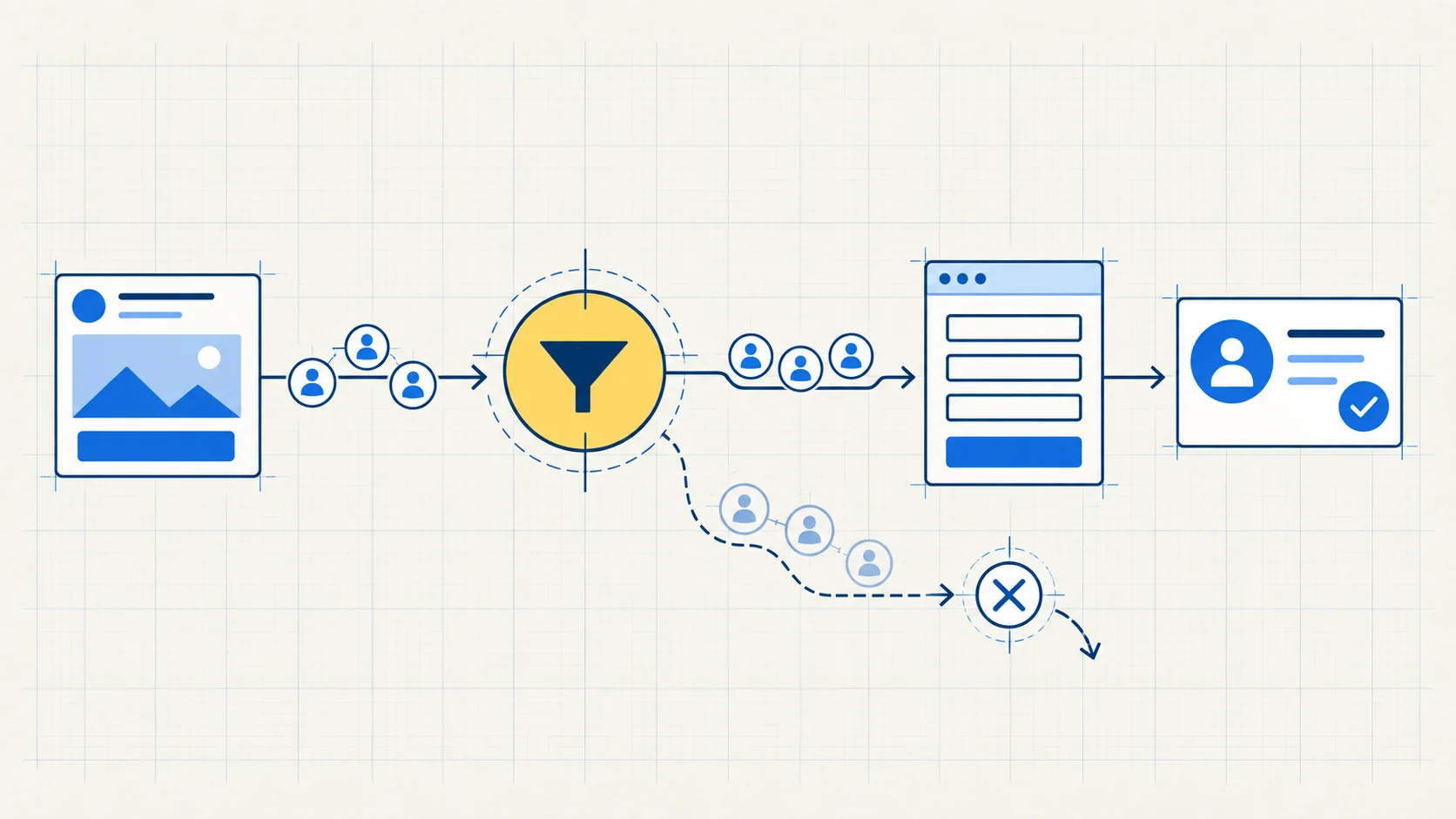
Your ad should help the right person understand four things:
- who the offer is for;
- what problem it solves;
- what the buyer needs to do; and
- what happens next.
An ad cannot prove that someone can buy. It can help people decide whether the offer fits them.
Make the situation clear
A broad ad may say:
Want more leads for your business? We can help you grow. Get started today.
Almost any business owner could reply to that. It does not say what kind of business needs help or what problem the service solves.
A clearer example could say:
Your service business has room for more work, but referrals are not steady and enquiries are not followed up well. Build a simple lead system around what you already know about your customers.
This version gives the reader more context. It explains the type of business, the problem and the work involved.
It is only an example. Use facts that are true for your own offer.
Check five parts of the ad
| Check | Ask this question |
|---|---|
| Customer | Is it clear who this is for? |
| Problem | Does the ad name a real problem, not just “growth”? |
| Offer | Is it clear what help is available? |
| Buyer role | Does the buyer know what they need to provide or decide? |
| Next step | Is the action simple and clear? |
Change the ad if almost any business could read it and think, “This is for me.”
Do not use job titles, team size or other weak signals to guess whether someone has money or is serious. Ask about the real needs of the work instead.
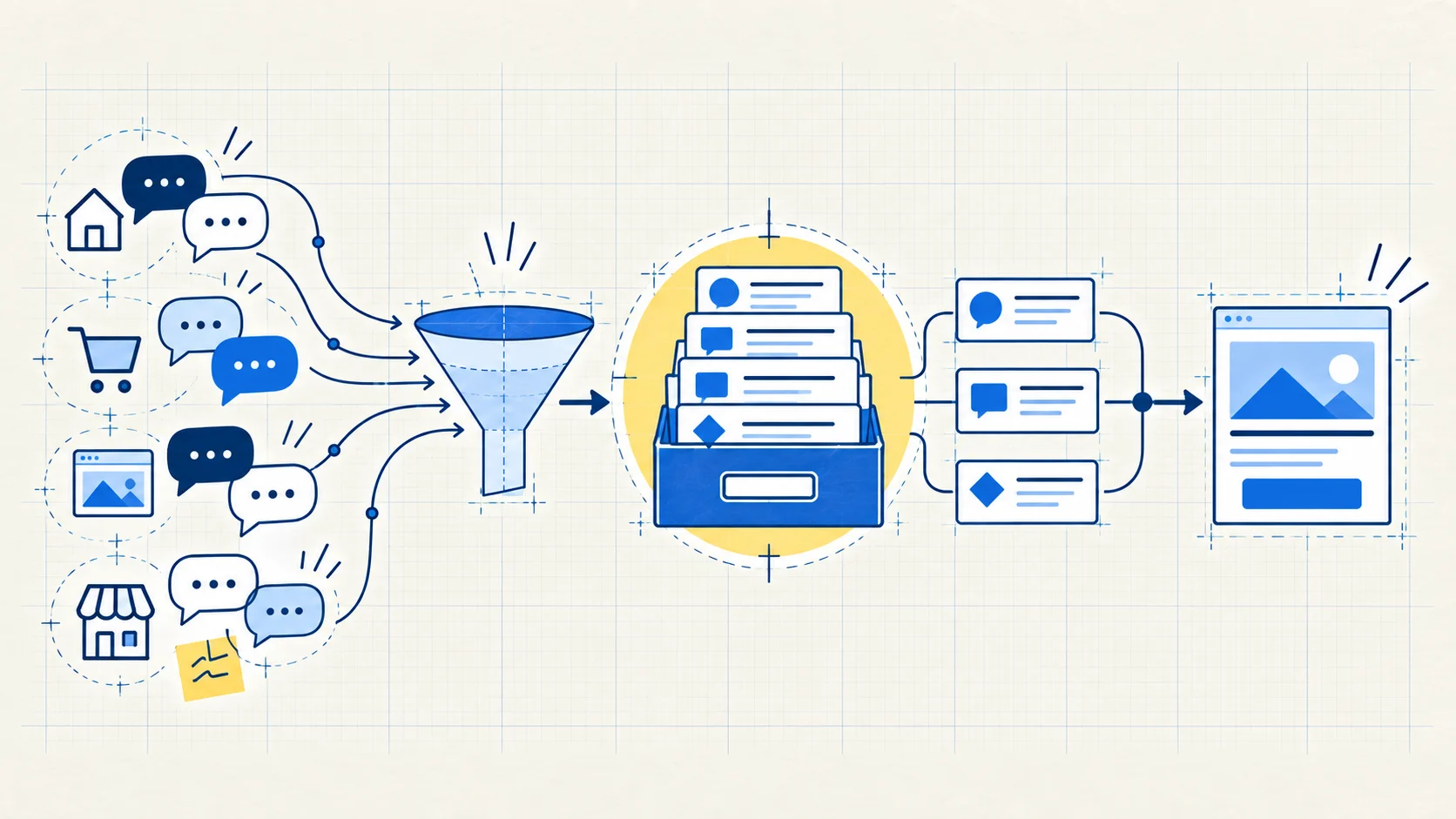
Keep the full path consistent
The promise in the ad should match the page and the form.
For example, do not promise a quick quote in the ad and then ask the person to complete a long application. Do not advertise one service and send people to a general homepage where they must search for it.
Check this path:
Ad → page → form → reply → next step
The same customer, problem, offer and action should be clear at every stage.
Test one idea at a time
Give the test one simple question:
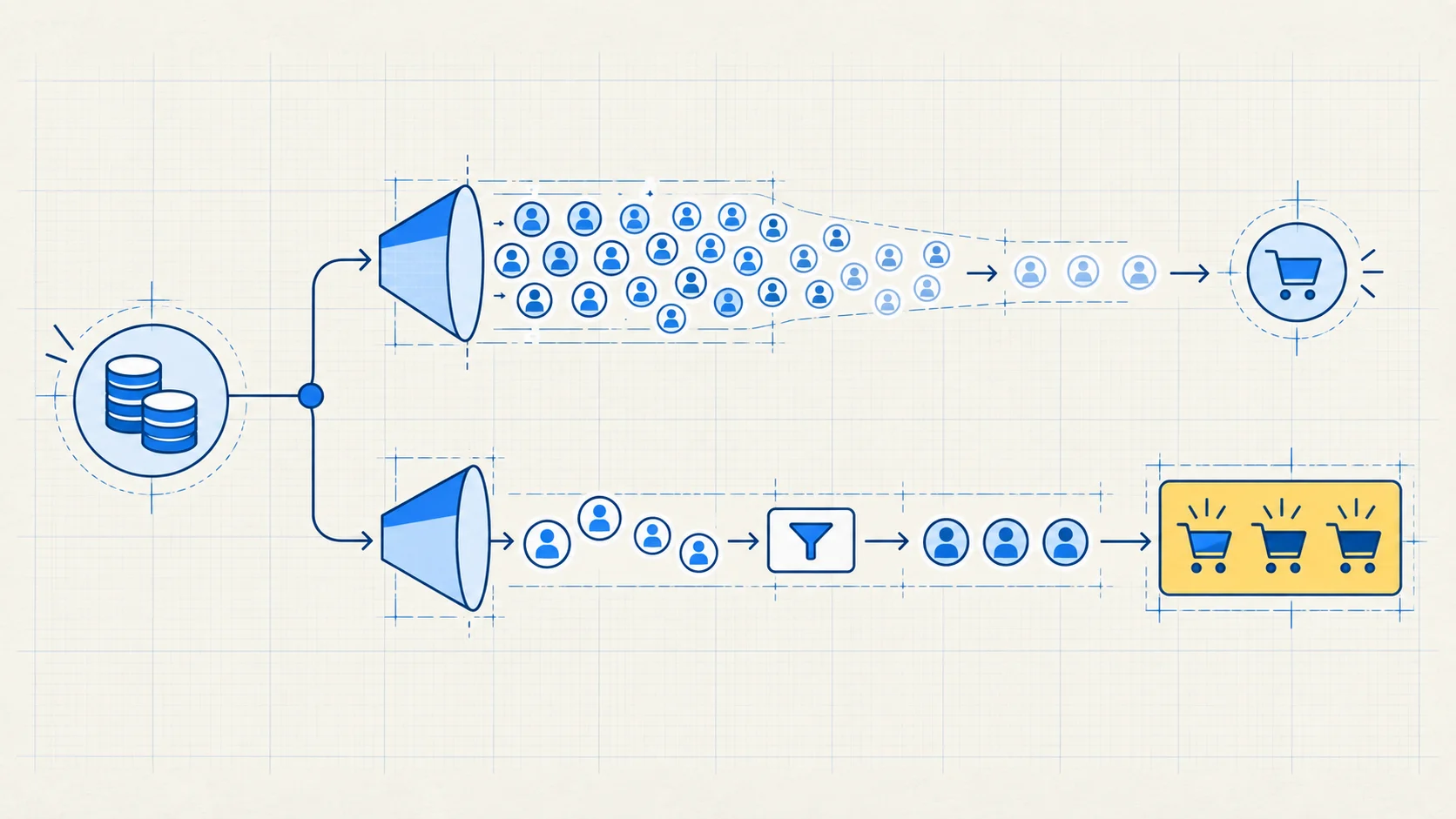
Does a clearer description of the customer and problem bring more suitable enquiries?
Keep the offer, page and form the same. Change only the main idea in the ad.
Then check what happens after the click:
- Was the enquiry a good fit?
- Did the person reply or book?
- Where did unsuitable leads come from?
Likes and clicks do not tell you whether the lead was useful.
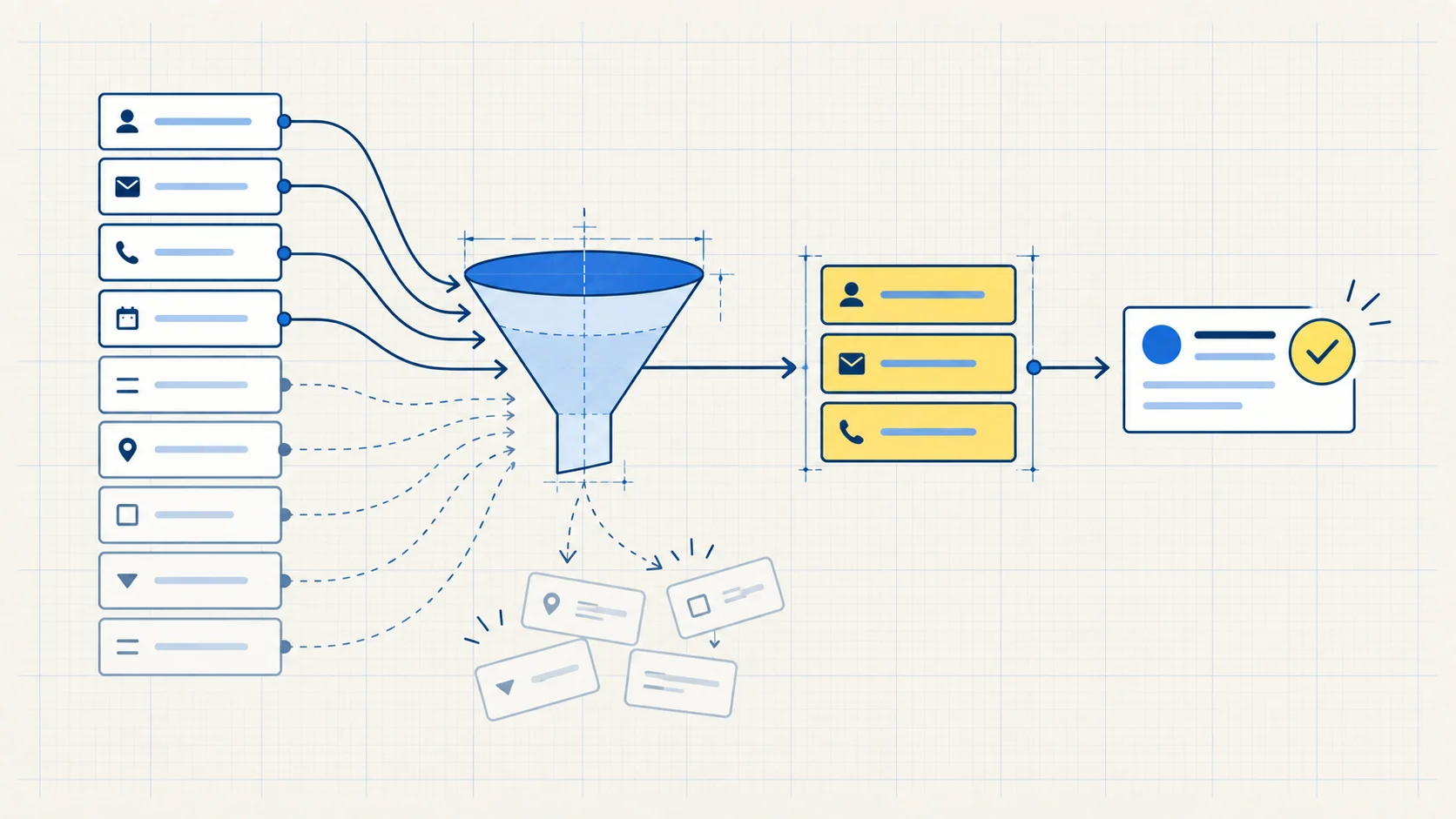
Use the form for details
Some questions do belong on the form. Keep a question when the answer changes:
- whether the person is a fit;
- who should receive the enquiry; or
- what the next conversation should cover.
Remove questions that do not change any action.
The order is simple:
- Make the ad clear.
- Keep the same message on the page.
- Ask only useful questions on the form.
- Check the quality of the enquiries, not just the number.
I have spent thousands of hours learning marketing. Scale Manual turns that work into practical steps you can use to build a lead system you understand and control.