A cheaper lead is not always a better lead.
Cost per lead tells you how much you paid for an enquiry. It does not tell you whether the person was a good fit, attended a call or bought from you.
To compare campaigns, follow the leads all the way to sales.
Know which cost you are looking at
Cost per lead is ad spend divided by the number of leads.
Ad spend per sale is ad spend divided by the number of sales from those leads.
Your full customer cost may also include design, sales time, software and other costs. Do not call ad spend per sale the full cost of getting a customer.
A simple example
These numbers are only an example. They are not real results or a promise.
| Measure | Campaign A | Campaign B |
|---|---|---|
| Ad spend | $2,000 | $2,000 |
| Leads | 100 | 40 |
| Cost per lead | $20 | $50 |
| Qualified leads | 10 | 24 |
| Calls attended | 4 | 16 |
| Sales | 1 | 4 |
| Ad spend per sale | $2,000 | $500 |
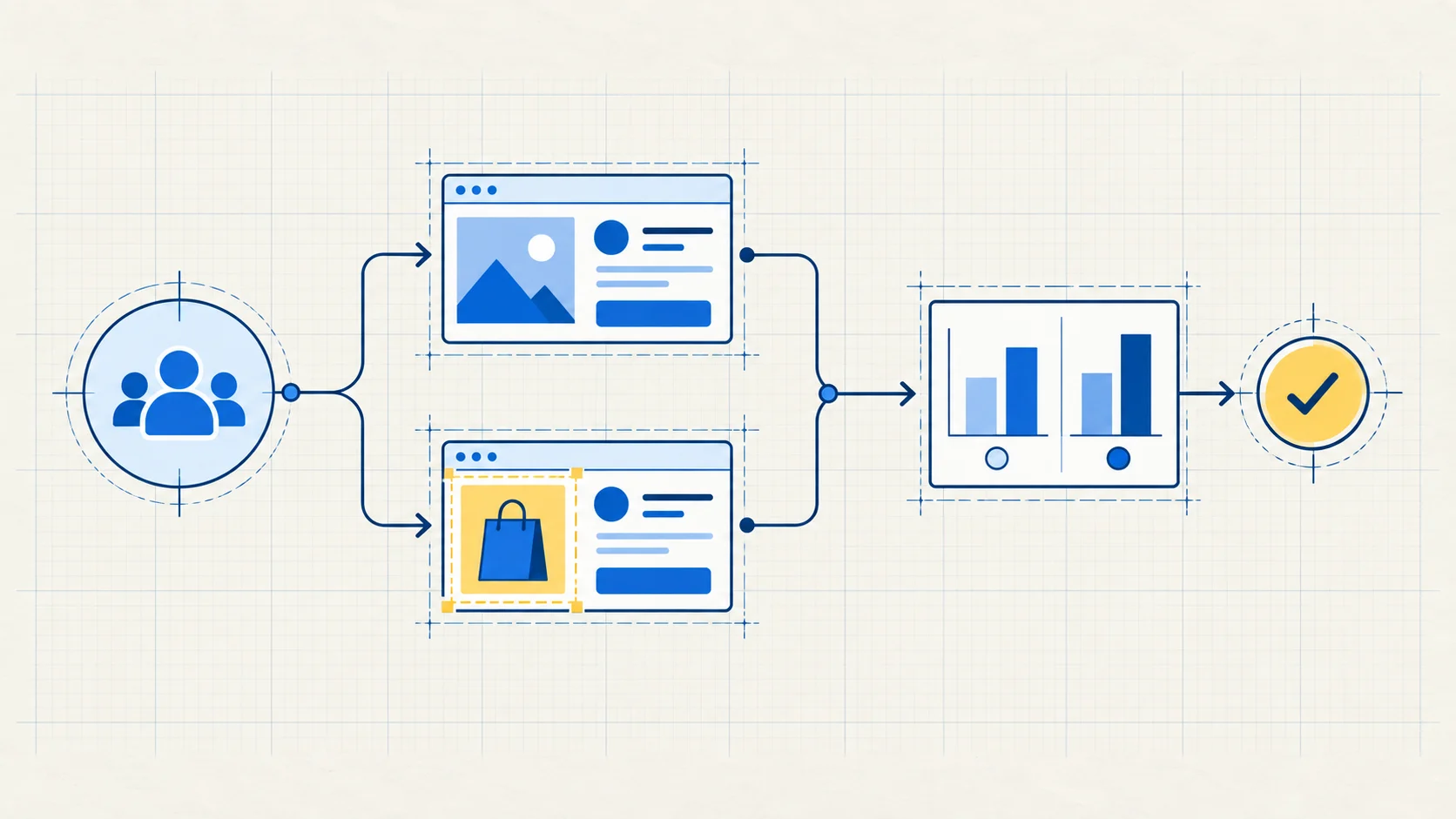
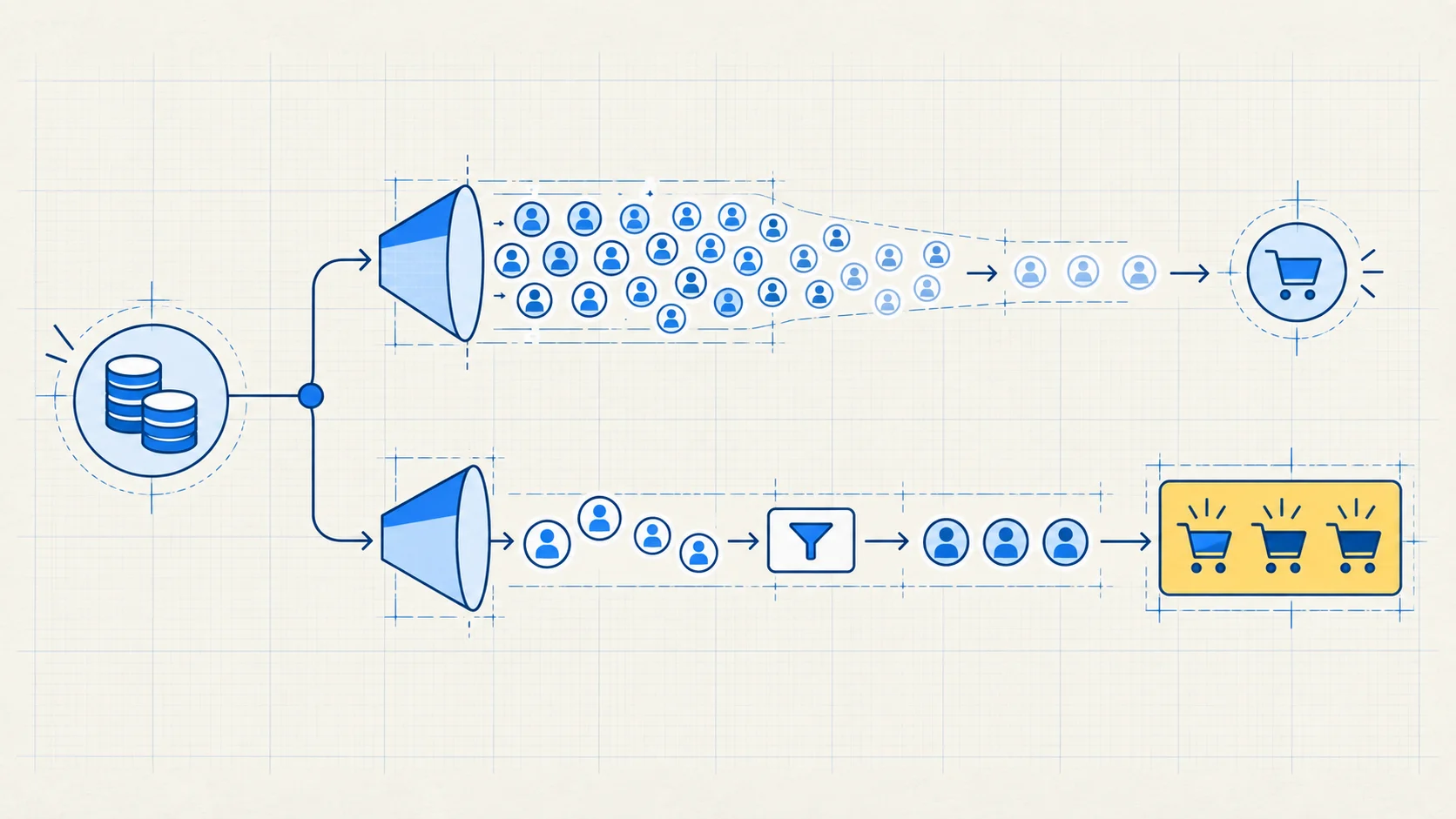
Campaign A has cheaper leads. Campaign B has more sales from the same ad spend.
This does not mean expensive leads are always better. It means cost per lead cannot answer the whole question.
Before choosing Campaign B, check:
- both reports cover the same dates;
- “lead”, “qualified” and “sale” mean the same thing;
- the sales have similar value and delivery costs;
- other marketing and sales costs are included; and
- your team can handle the extra customers.
If a number is missing, mark it as unknown. Do not treat it as zero.
Check what happened after the lead
The point where people stop tells you what to fix.
| What you see | What to check next |
|---|---|
| Cheap leads, but few are suitable | Your ad may be too broad. |
| Good leads, but few attend calls | Check booking reminders and follow-up. |
| People attend, but few buy | Check the offer, expectations and sales conversation. |
| Leads cost more, but sales cost less | Check customer value, delivery cost and capacity. |
| Your systems show different numbers | Fix the data before changing the campaign. |
Do not guess after one small result. Check other possible causes too.
Review each campaign in the same way
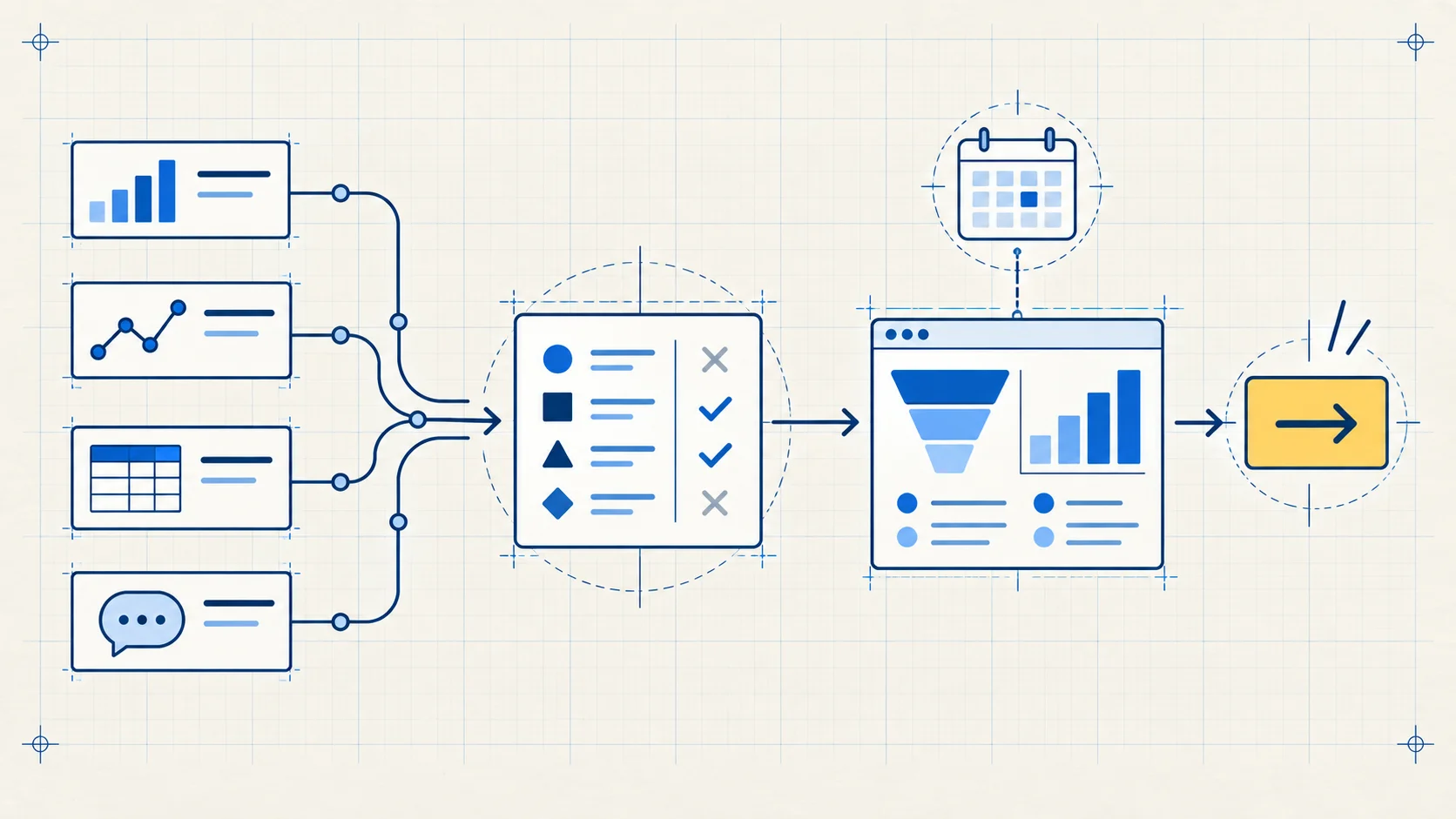
For each campaign, record:
- The dates.
- Ad spend and leads.
- Qualified leads, booked calls, attended calls and sales.
- Money collected and delivery cost, if known.
- Other costs you included or left out.
- Any follow-up or capacity problem.
- One next action, one owner and one review date.
The final step matters. A report should help you decide whether to keep the campaign, fix a broken step or test a new message.
The simple answer
Do not choose a campaign because its leads are cheaper. Choose it because the full path produces a better result for the business.
I have spent thousands of hours learning marketing. Scale Manual turns that work into practical steps you can use to build a lead system you understand and control.