A form question is useful only when the answer changes what happens next.
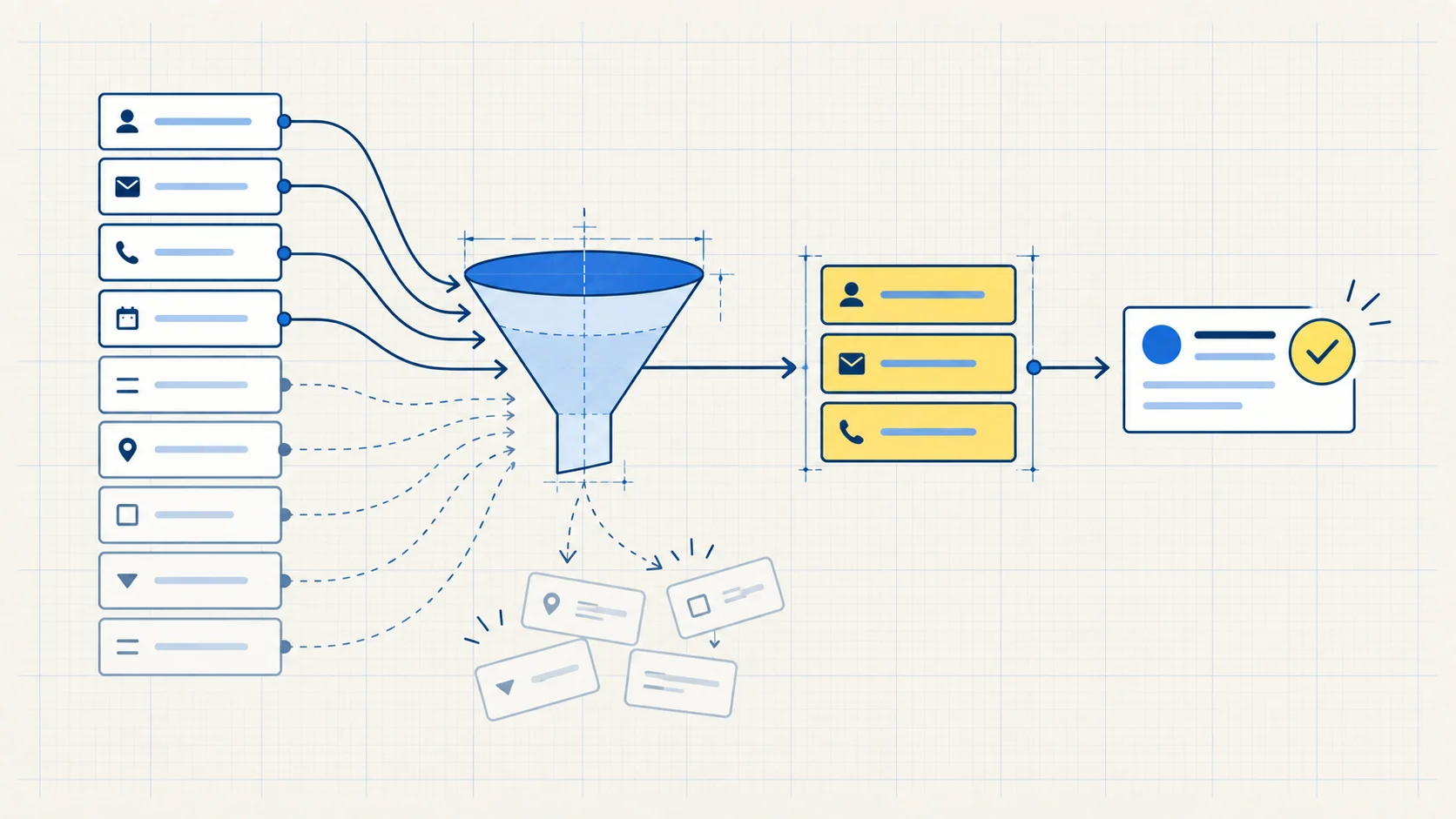
Keep a question if it helps you decide:
- whether the enquiry is a good fit;
- who should receive it; or
- what the next conversation should cover.
Remove questions that only satisfy curiosity or collect information nobody will use.
Check the ad first
If you get poor leads, do not assume the form is the problem.
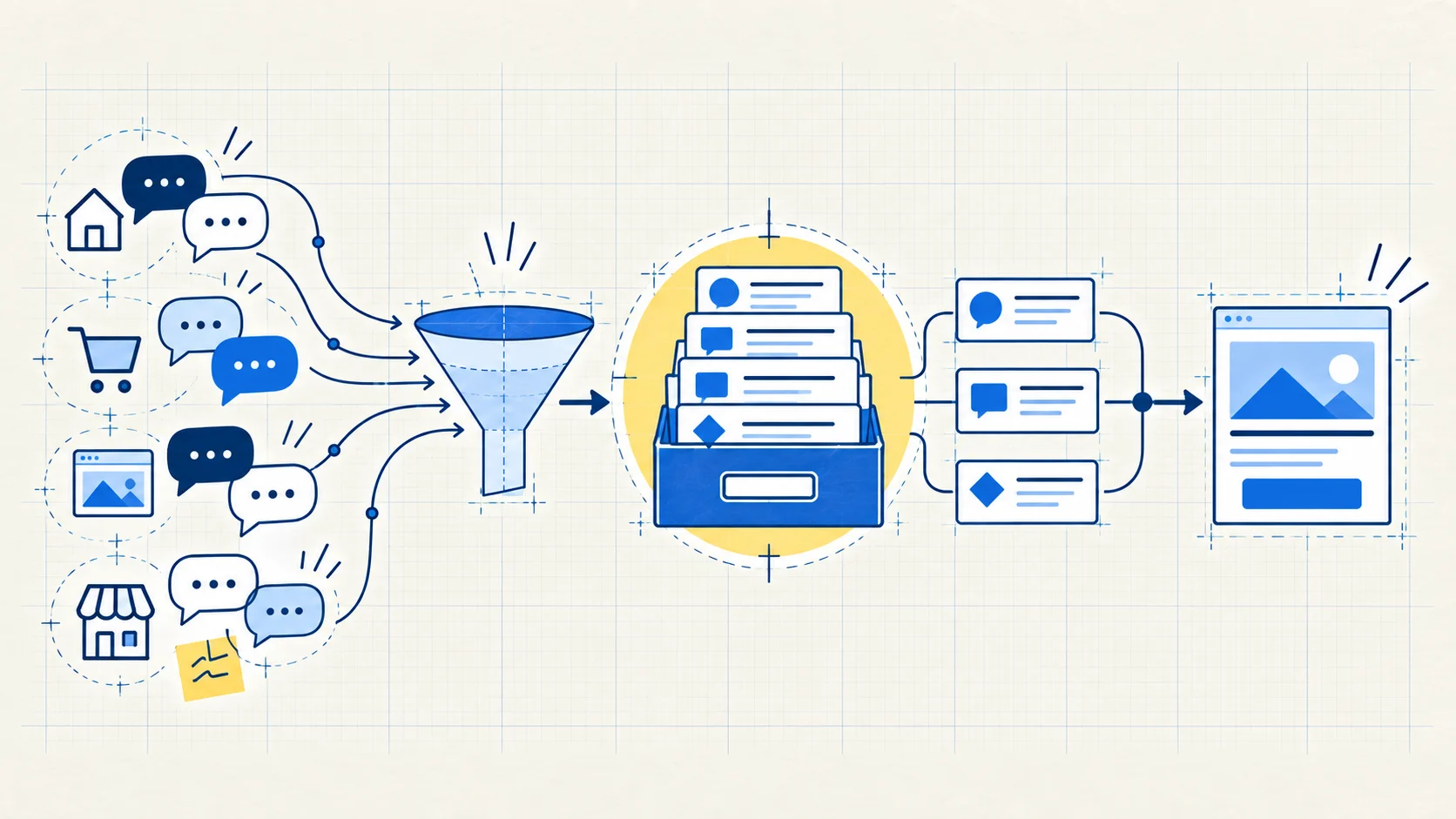
A broad ad such as “Get more leads for your business” can attract many different people. A longer form may then try to do all the filtering.
Make the ad clear first. Say who the offer is for, what problem it solves and what the buyer needs to do.
Then use the form to collect the few details needed for the next step.
Test every question
Use this simple check:
| Reason | Keep the question when… |
|---|---|
| Fit | The answer shows a real match or mismatch. |
| Routing | The answer sends the enquiry to a different person or service. |
| Preparation | The answer helps someone prepare for the next conversation. |
| Participation | The answer shows whether the buyer can provide needed access or information. |
| Need | You must have the answer before you can reply. |
Complete this sentence for every field:
If the person answers ___, we will ___.
If the action never changes, remove the question or ask it later.
Choose the right type of form
Use a short quote form when
The request is simple and your team can ask for more detail later.
You may only need:
- name and contact details;
- the service needed;
- a short description; and
- one detail needed to send it to the right person.
Short forms are easy to complete. Your team must still know who replies and what happens next.
Use an application when
The work has clear limits or the next meeting needs preparation.
You may ask:
- What is happening now?
- What result do you want?
- What have you already tried?
- What is stopping progress?
- Who will provide the information or access?
Do not use a long application only to make the offer look exclusive.
Ask about real needs
Do not use job title or team size to guess whether someone can buy.
Ask about the real need instead. If the project needs an internal owner, ask who will run the system. If the work needs access to current tools, ask whether that access is available.
Test the full path
After you edit the form:
- Send a test enquiry.
- Check where the alert goes.
- Name the person who must reply.
- Check what information they receive.
- Confirm the next step.
- Record where the test stops.
A shorter form does not help if nobody owns the enquiry.
Start with one form. Keep useful questions, remove the rest and make sure every enquiry has a clear next step.
I have spent thousands of hours learning marketing. Scale Manual turns that work into practical steps you can use to build a lead system you understand and control.