If you change the headline, image, offer and page at the same time, you will not know which change mattered.
A useful ad test starts with one question:
Which customer problem or buying reason should the ad focus on?
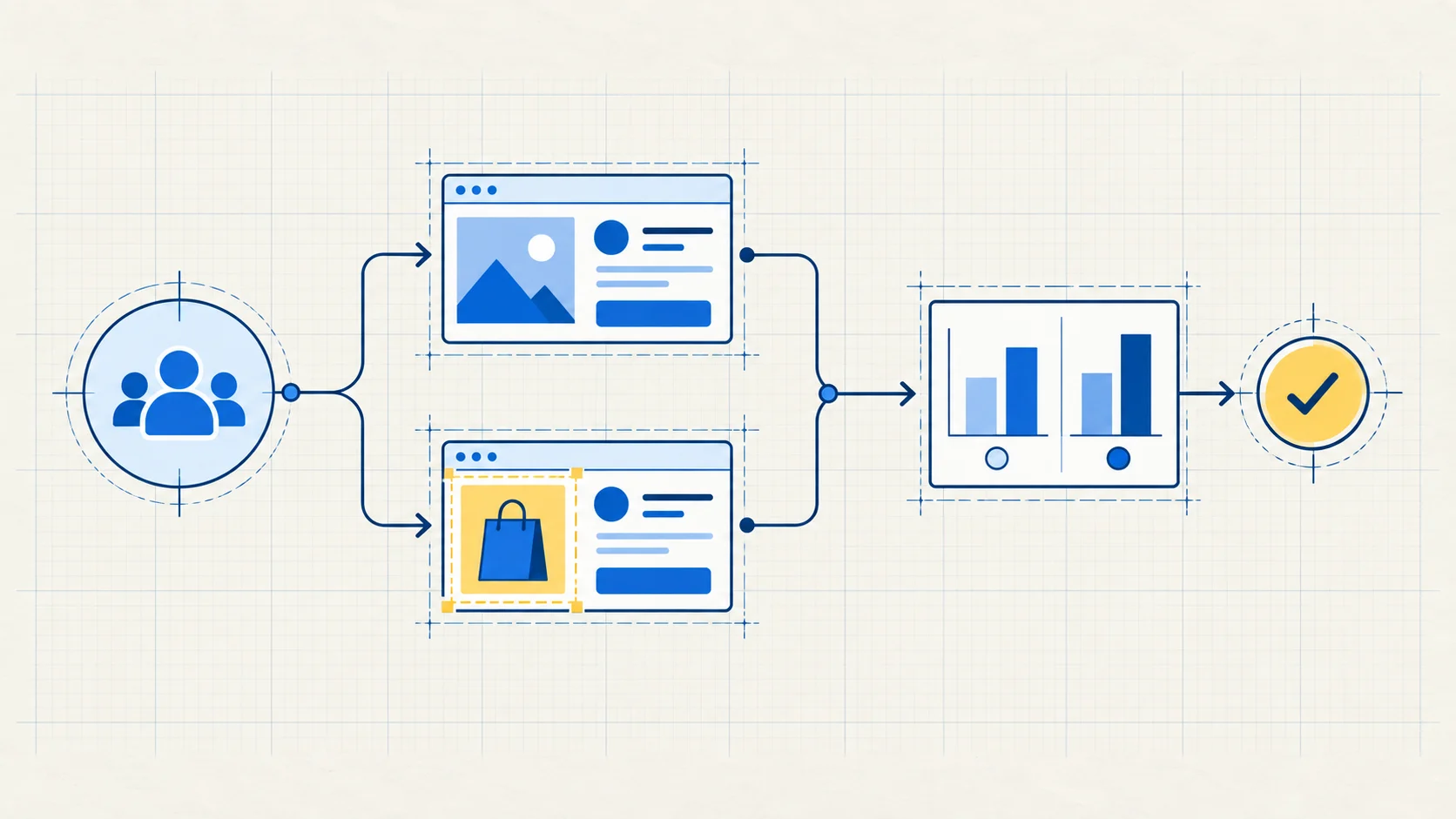
Keep the offer, page, form and follow-up the same. Change one main idea.
Test the idea, not everything at once
Imagine a business that builds lead systems.
It could test two messages:
- Message A: You get enquiries, but manual follow-up loses them.
- Message B: You get enquiries, but many people want services you do not offer.
These messages describe different problems. Because the offer and page stay the same, the business can compare which problem brings more suitable enquiries.
Changing only a photo or colour is a design test. It can show which version got more attention. It does not tell you which customer problem matters more.
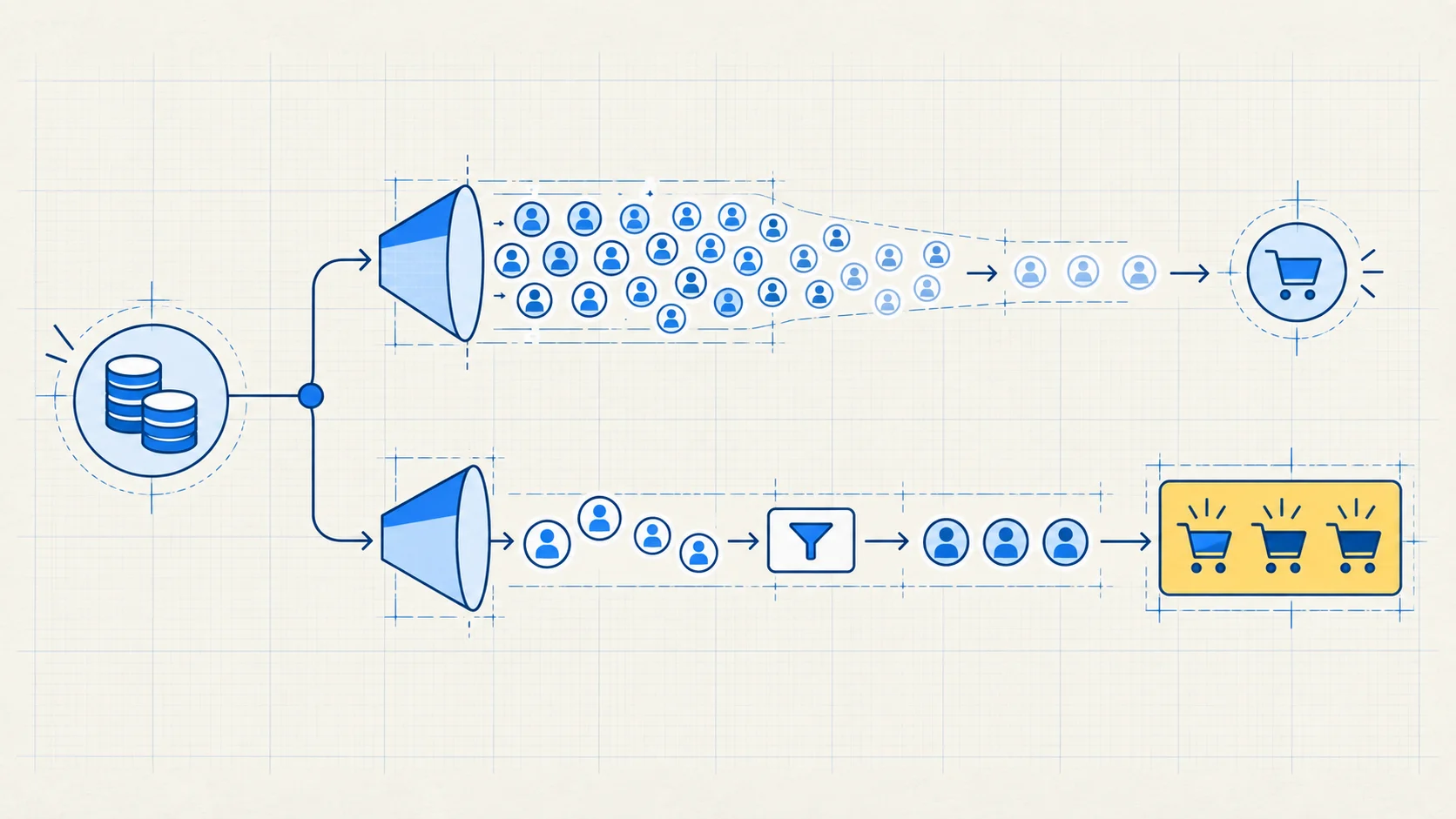
Likes and clicks are not sales. Follow the lead after the click.
Start with real customer words
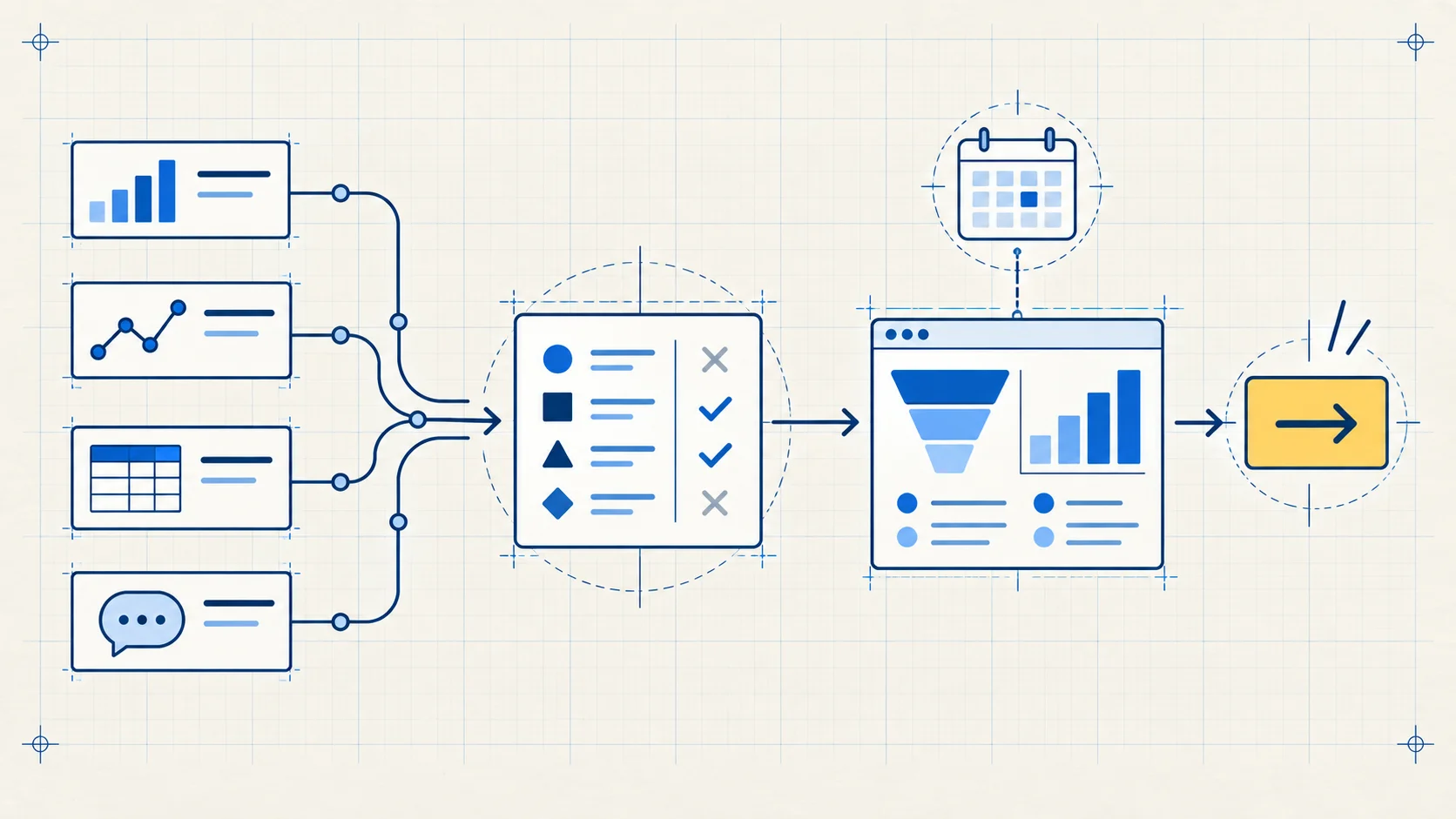
Look at calls, emails and enquiry notes. Find problems or concerns that appear more than once.
Keep the customer’s words separate from your opinion.
For example, several people may say:
We reply, but nobody knows who owns the next step.
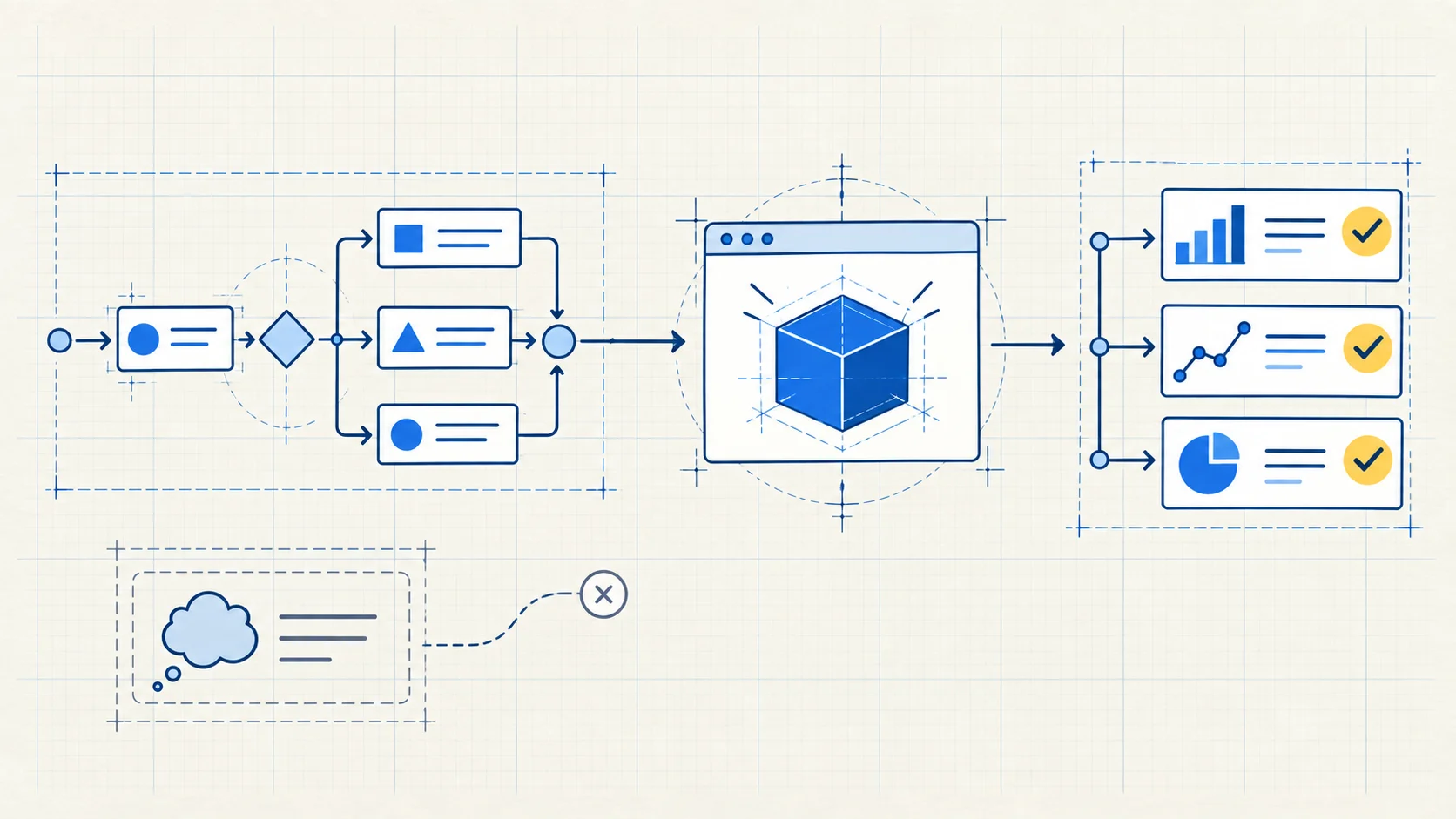
That gives you an idea to test. It does not prove that the message will work.
If you have no useful customer records, speak to customers before writing a long list of clever hooks.
Write a simple test plan
| Part | What to write |
|---|---|
| Customer situation | One clear problem or buying situation |
| Test question | What do you want to learn? |
| One change | The problem or reason that changes between ads |
| Keep the same | Offer, page, form, follow-up and action |
| Evidence | Customer words, a pattern or a clearly marked guess |
| Main result | A suitable enquiry, attended call or another useful step |
| Risk check | Something you do not want to make worse |
| Next decision | Keep, change, stop or test again |
If one ad receives slower follow-up, the comparison is not fair. Record problems like this instead of giving all the credit or blame to the ad.
Choose a useful result
Do not choose a winner only by click rate or cost per lead.
Use the closest result that answers your question and that you can track well. This may be:
- suitable enquiries;
- booked calls;
- attended calls; or
- sales.
Use these rules:
- Choose neither ad if tracking or follow-up was different.
- Check again if one ad brings more leads but fewer good ones.
- Keep testing if there is not enough information.
- Move forward only when the later results support the decision.
There is no one correct test budget or number of leads for every business. Your sales cycle, data quality and cost of a wrong decision all matter.
The next test
Write your test question in one sentence. If the two ads cannot answer it, make the test simpler.
Change one main idea. Keep the rest stable. Track one useful result. Then write down what you learned and what you will do next.
I have spent thousands of hours learning marketing. Scale Manual turns that work into practical steps you can use to build a lead system you understand and control.